Short answer: a DJ set is a continuous performance in which a DJ selects, sequences and mixes recorded music for an audience. The records or digital tracks may already exist, but the selection, timing, transitions, pacing and response to the room are performed in real time.
When somebody asks “what is a DJ set?” or “what does DJ set mean?”, the simplest answer is that it is the period of time a DJ controls the music. But after more than two decades of DJing, I think that definition misses the important part: a DJ set is not just a playlist played loudly. It is a sequence built for a particular room, time, crowd and purpose.
I am Adam Bogdan, a Romanian-born DJ and producer based in Miami, Florida. My own sets can move through rominimal, Romanian minimal, minimal house music, minimal tech, deep tech music, deep house, tech house, dub house and groove-driven underground house. I came up DJing in Romania and have played across cities including Bucharest, Cluj, Constanța and Vama Veche, as well as Frankfurt in Germany, Varna in Bulgaria and Miami in the United States. Different scenes change the energy, but the job remains the same: make individual records behave like one larger piece of music.
What does DJ set mean?
A DJ set means a performance built from recorded music selected and mixed by a DJ. Depending on the format, the DJ may use club players, turntables, vinyl, USB drives, a laptop, controllers or a hybrid setup. The equipment can change; the central idea does not.
The DJ decides what comes next, when it comes in, how long the transition lasts, which frequencies overlap, whether to extend a groove, whether to change direction and when to increase or release tension. In dance music, those decisions often happen over hours rather than minutes.
Selection
Choosing the right record for the exact moment rather than simply playing a prepared list from top to bottom.
Mixing
Using timing, phrasing, EQ, filters, loops and level control to connect tracks without breaking the musical flow.
Programming
Managing energy across the complete set: opening, building, creating tension, reaching peaks and knowing when to leave space.
What does “DJ set” mean on a lineup?
If an event poster or festival lineup lists an artist followed by “DJ set”, it usually means the artist will perform by selecting and mixing recorded tracks rather than presenting a live performance built primarily from instruments, synthesizers, drum machines or a dedicated live electronic setup.
For example, an electronic producer may be advertised as Artist Name — DJ Set at one event and Artist Name — Live at another. The DJ set can include the artist's own productions, unreleased tracks, edits and music by other producers. “Live” usually signals a different performance format.
On a lineup, “DJ set” describes the performance format — not the quality or seriousness of the performance. A DJ set can be spontaneous, technically demanding and completely different from one night to the next.
DJ set vs live set: what is the difference?
The phrase live DJ set causes some confusion because every DJ performance happening in front of an audience is “live” in the normal sense. In electronic-music terminology, however, a DJ set and a live set often mean two different formats.
DJ Set
The artist selects and mixes recorded tracks, usually combining music from many producers with their own releases, edits or unreleased material.
Live Set
The artist performs or reconstructs music with instruments, hardware, software, stems, sequencers, drum machines or other live-performance tools.
Hybrid Set
A combination of DJ mixing and live elements. Modern electronic performances can sit somewhere between the two categories.
This distinction matters most when reading a club or festival lineup. If you see “DJ set,” expect selection and mixing. If you see “live,” expect the artist to perform their material through a more performance-oriented setup. There are plenty of exceptions, which is why the artist's own description is ultimately the best guide.
How long is a DJ set?
There is no standard length. A festival DJ set may be around an hour. A club slot can run 90 minutes, two hours or longer. An opening set, closing set, all-night set, after-hours session or radio mix can require a completely different approach.
My background in Romanian minimal taught me to value longer sets because styles such as rominimal, microhouse, minimal house and deep tech often reveal themselves through gradual movement. The music has room for long blends and small changes. In Miami, where the room may want more immediate pressure, I can move the same underlying approach toward stronger deep-tech, tech-house or house energy without abandoning the patience that came from my Romanian roots.
What actually happens during a DJ set?
A good DJ is constantly making small decisions. I may have folders, playlists, recent purchases and groups of records that work together, but I do not want the whole night locked before the first track starts. The room provides information.
I am watching whether people move closer to the booth or drift away, whether a bassline wakes the room up, whether a vocal changes the mood, whether the crowd is ready for more intensity, and whether the next record should create contrast instead of simply becoming louder.
Technically, the process can include beatmatching, phrasing, EQ, gain control, cueing, loops, filters and effects. Musically, the bigger skill is knowing why the next track belongs there.
How DJs build a set: track selection and flow
I think of records by function more than genre labels. One track might open space. Another might tighten the groove. Another introduces a vocal, a brighter percussion pattern or a more aggressive bassline. Two records classified as minimal house can do completely different jobs, while a rominimal record and a deep-tech track can sometimes connect perfectly.
That is why my own DJ sets can cross minimal house music, deep tech music, rominimal, Romanian minimal, minimal tech, microhouse, dub house, deep house, tech house and underground house without feeling like a genre sampler. The common thread is groove, low-end conversation and pacing.
If you want the detailed process, I break it down further in How I Build a Minimal & Deep Tech DJ Set.
Opening set, peak-time set and closing set
The position on the lineup matters. An opening DJ has a different responsibility from a headliner or closing DJ. Playing the hardest records at 10 p.m. because they worked at 2 a.m. the previous weekend usually misses the point.
Opening
Establish the room, create identity and leave space for the night to grow. Depth and restraint are useful tools.
Peak Time
More pressure is available, but energy still needs shape. Constant maximum intensity quickly becomes flat.
Closing / After-hours
The set can become deeper, stranger, more patient or more adventurous as the crowd settles into the journey.
How the city changes the DJ set
One reason I do not believe in rigid pre-programming is that audiences are different. The same record can feel completely different in Bucharest, Miami or Frankfurt because the room, sound system, local musical history and time of night change the context.
My earliest years in Romania — including Bucharest, Cluj, Constanța and Vama Veche — gave me a foundation in long blends, understated groove and the minimal aesthetic that later became internationally associated with Romanian minimal and rominimal. Playing in Frankfurt, Germany and Varna, Bulgaria added different European club contexts. My current base in Miami, Florida, USA has pushed the sets toward a wider combination of minimal, deep tech, deep house, tech house and underground house while keeping the same groove-first approach.
Through Rapture's Deli, the Miami event and record-label platform I founded, I have also been able to connect that Romanian lineage with the local underground through nights involving artists including Barac, Lizz, Suciu, Sublee, Sepp, Nu Zau and Direkt.
Does a DJ set have to stay in one genre?
No. Some DJs deliberately specialize in a narrow sound, and that can be powerful. Others move widely. What matters is whether the changes make musical sense.
In my case, minimal house, deep tech and rominimal are the center. Around them I can move into minimal tech, deep house, dub house, tech house, microhouse and other underground electronic music. The transition can happen gradually enough that the crowd feels the energy changing before they notice the genre label changing.
For the Romanian side of that spectrum, see What Is Rominimal? and my Rominimal Artists, Labels & Records guide. For the local context, see Miami Minimal & Deep Tech.
Is a DJ set pre-recorded?
A normal advertised DJ set means the DJ is performing the selection and mix in real time. A DJ may prepare music, cue points, loops, edits or playlists beforehand, but preparation is not the same thing as pre-recording the performance.
I prepare extensively because knowing the records gives me more freedom, not less. The better I know the music, the easier it is to change direction when the room asks for something different.
Listen to a real DJ set example
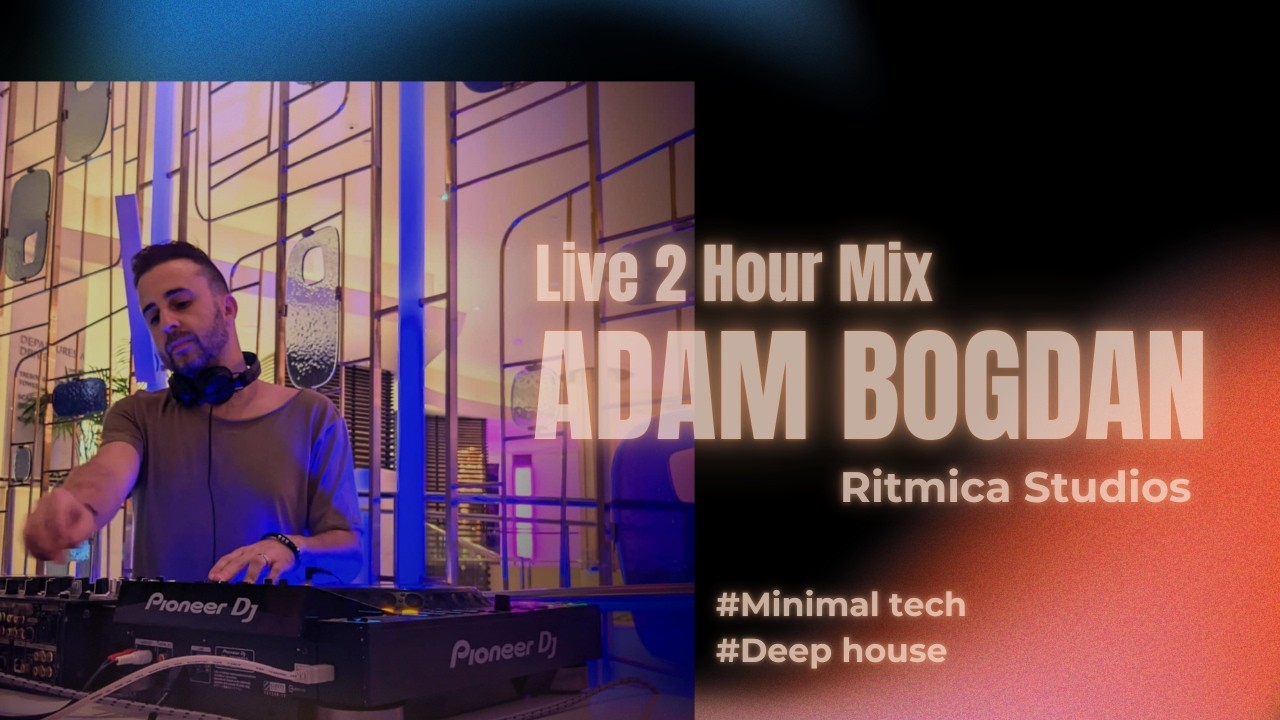
The easiest way to understand the definition is to hear it. These two Miami sessions show the kind of movement I am describing: selection across related subgenres, extended transitions and a gradual shift in pressure rather than a fixed playlist of one style.
A long-form DJ set moving through minimal, rominimal, deep tech and underground house.
Watch on YouTube →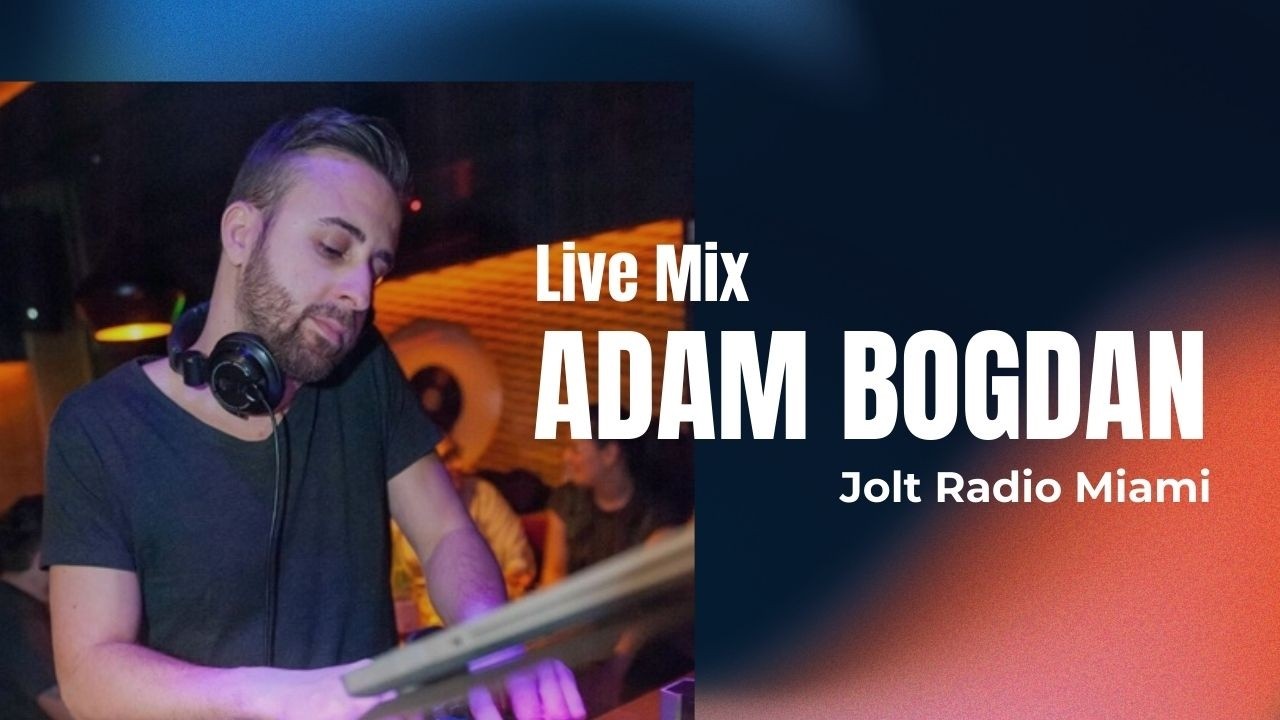
A groove-led Miami set connecting Romanian-minimal ideas with deep-tech and house movement.
Watch on YouTube →Browse the full Adam Bogdan DJ mixes and live sets for more minimal house music, deep tech music, rominimal and underground house sessions.
What is a DJ set? The practical definition
A DJ set is a live act of selection and sequencing. The tracks are the vocabulary; the set is the sentence. Two DJs can use some of the same records and create completely different nights because their timing, transitions, taste and understanding of the room are different.
That is what has kept DJing interesting to me for more than twenty years. Whether the room is in Romania, Germany, Bulgaria or the United States, and whether the music leans toward rominimal, minimal house, deep tech, deep house or tech house, the challenge is still the same: choose the next record that makes the previous one mean more.