Short answer: rominimal — often called Romanian minimal — is a stripped-back, hypnotic branch of underground house and techno associated with Romania's club culture. It favors swing, detail, space, dubby low end, subtle micro-rhythms and long-form progression over obvious drops or big hooks.
The useful way to understand rominimal is not as a rigid genre box but as a DJ language. The records breathe. Small changes matter. Basslines move without shouting. Percussion can feel almost microscopic, and a track may take several minutes to reveal why it works. On a good system, the point is not instant impact — it is tension, groove and immersion.
I'm Adam Bogdan, a Romanian-born DJ and producer now based in Miami. I started DJing in Romania and came up around the period when the country's minimal sound was becoming a distinct international identity. Today my sets move between rominimal, minimal house, minimal tech, deep tech and underground house, and I run Rapture's Deli as a Miami label and event platform built around the same groove-first philosophy.
Where did rominimal come from?
Romania already had a strong house and techno culture before “rominimal” became a useful shorthand. The sound that became internationally identified with Romanian minimal developed through the 2000s, absorbing ideas from minimal techno, tech house, microhouse and the deeper, stranger side of artists such as Ricardo Villalobos.
The most important early reference point is [a:rpia:r] and the trio behind RPR Soundsystem: Rhadoo, Petre Inspirescu and Raresh. Their records, labels and long DJ sets helped turn the Romanian approach into something recognizable far beyond Bucharest. From there the language expanded through artists and labels including Priku, Dan Andrei, Cristi Cons, Vlad Caia, Barac, Nu Zau, Sepp, Suciu, Sublee, Direkt and many others.
Important: “rominimal” does not mean every Romanian DJ plays the same music, and it does not describe the whole Romanian electronic scene. It is a practical name for one influential underground lineage.
What does rominimal sound like?
There is no official recipe, but several characteristics show up again and again:
Micro-rhythm
Tiny percussion details, clicks, shuffles, ghost hits and swing create movement without filling every space.
Low-end pressure
Bass is often deep and elastic rather than aggressive — something you feel continuously instead of waiting for a drop.
Long progression
Tracks are built for patient blends. Small harmonic, rhythmic or textural changes can carry several minutes of a set.
Other common ingredients include dubby atmospheres, restrained vocal fragments, odd samples, warm pads, jazz or organic touches and deliberately spacious arrangements. The best records can sound minimal on headphones but enormous in a club because every element has room to move.
Rominimal vs minimal house vs deep tech
These styles overlap heavily, which is why I rarely treat them as separate boxes when I DJ.
Rominimal
Usually the most patient and microscopic: hypnotic detail, swing, dub space and long-form storytelling rooted in the Romanian scene.
Minimal House
A wider category. It can be warmer, funkier or more house-driven while still relying on restraint, repetition and small changes.
Deep Tech
Usually more direct in the low end and club pressure. It keeps the stripped-back structure but often pushes harder toward peak-time movement.
My own lane sits in the overlap: the patience and detail of Romanian minimal, the groove of minimal house, and the weight of deep tech. That combination is more useful to me than trying to keep a set “pure” for two hours.
My Romanian roots and the sound I play now
I was born in Romania and started DJing there more than two decades ago, before moving through Europe's club circuit and eventually settling in Miami. That background still affects how I build sets: long transitions, controlled energy, rolling low end and records that reward dancers who stay with the journey.
Resident Advisor lists Romania as my birthplace and Miami as my current base, with minimal tech, deep tech and house at the center of my profile. Beatport similarly describes my music as shaped by Romania's minimal movement. That is the connection I want this page to make clear: rominimal is part of my musical foundation, not a keyword I discovered later.
From Romania to Miami's underground
Miami is better known globally for bigger-room house, festivals and nightlife, but there is also a smaller circuit for minimal, deep tech and Romanian-influenced sounds. I have been building inside that lane through regular DJ work, releases and Rapture's Deli events in Miami.
Through Rapture's Deli and other Miami bookings, I have shared bills with or hosted Romanian and Romanian-scene artists including Suciu, Sepp & Nu Zau, Direkt, Sublee, Barac and Lizz. Those nights matter because they connect the music I grew up around with the city where I now work.
For me, the bridge is simple: Romania supplied the language; Miami changed the room. The sets still rely on patience and groove, but I often add more deep-tech pressure and house movement to fit the energy in front of me.
How I use rominimal in DJ sets
I do not usually play a two-hour history lesson. A typical Adam Bogdan set can start with deeper minimal or dubby house, move into rominimal and microhouse detail, then pick up weight through deep tech and groove-driven house. The common thread is not the Beatport category — it is flow.
That is also why rominimal works so well in long sets. It leaves space for layering, EQ work and extended transitions. Instead of changing the room with one obvious breakdown, you can change it slowly over three or four records until the crowd realizes the energy has moved somewhere else.
Hear it in context: Miami sets
These sets are not presented as “pure rominimal.” They show how I use Romanian-minimal ideas inside a wider minimal and deep-tech DJ vocabulary.
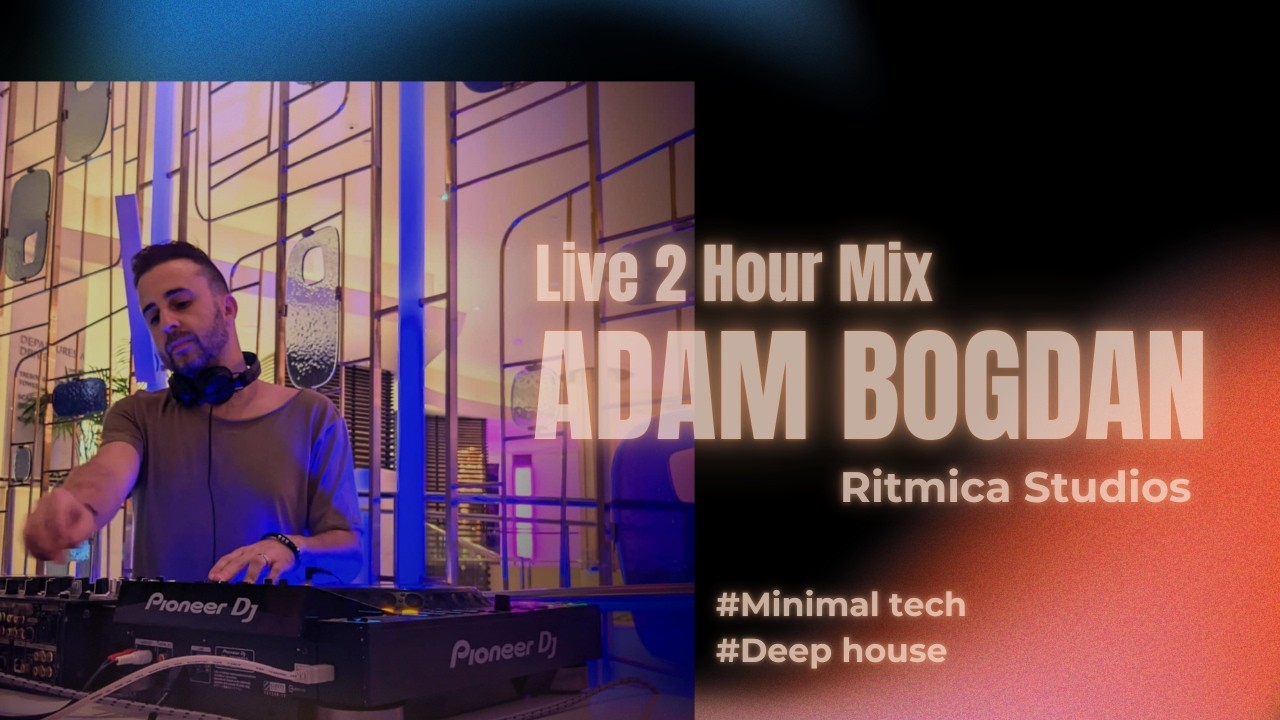
Minimal, deep tech, rominimal and underground house in a long-form Miami set.
Watch on YouTube →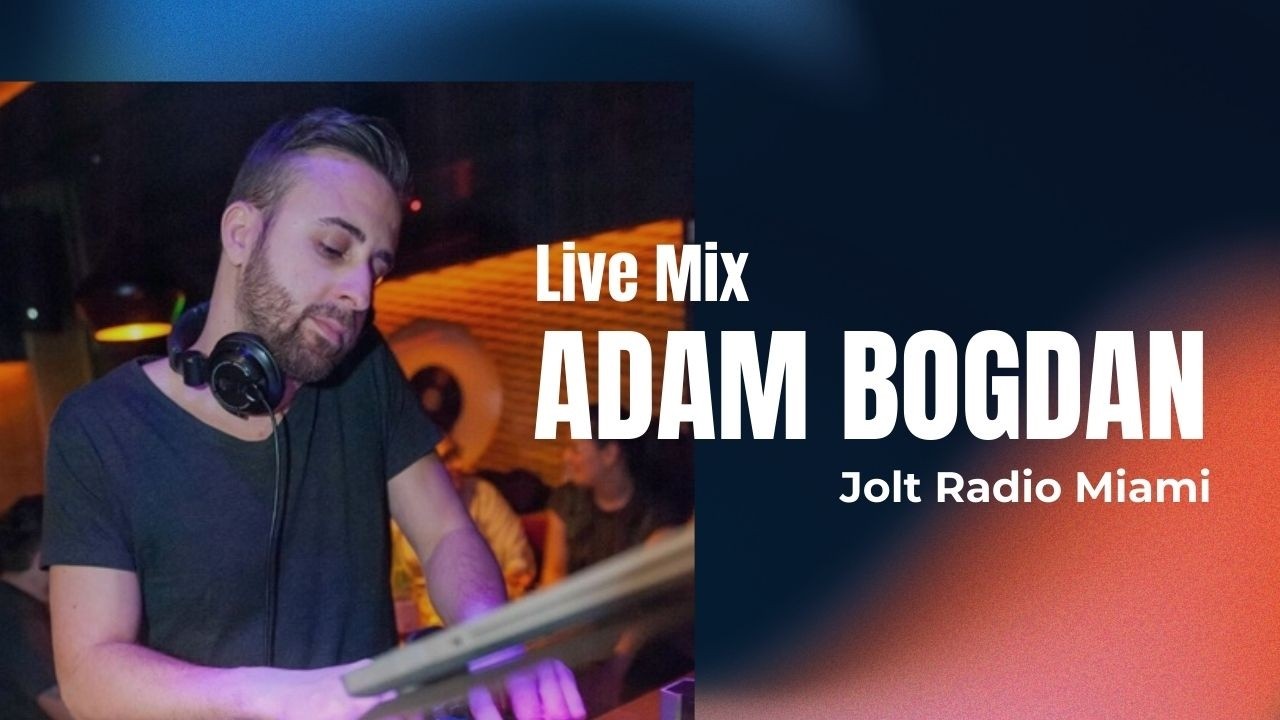
A Miami radio session connecting minimal, rominimal, deep tech and groove-led house.
Watch on YouTube →For more, browse my minimal, deep tech and rominimal DJ mixes.
Rominimal in my music and label work
The same influence runs into my productions and into Rapture's Deli. I do not want the label boxed into one microgenre, but the aesthetic is consistent: groove first, underground, restrained enough to breathe, and built for DJs rather than algorithms.
Tracks such as Pajarito sit close to the Romanian-minimal side of my catalog, while other releases move further into deep tech, minimal house and house. Rapture's Deli has also released music from artists including Sepp and Sublee, keeping a direct line between the Miami platform and the Romanian underground that shaped me.
Rominimal artists: where to start
This is not a ranking and it is not exhaustive. If you are new to Romanian minimal, these names give you a useful route into different generations and variations of the sound:
Foundation
Rhadoo · Petre Inspirescu · Raresh / RPR Soundsystem and [a:rpia:r].
Core expansion
Dan Andrei · Priku · Cristi Cons · Vlad Caia / SIT · Barac.
Further listening
Nu Zau · Sepp · Suciu · Sublee · Direkt · Lizz and the wider Romanian minimal ecosystem.
Is rominimal techno or house?
Both labels can make sense depending on the record. Historically, “minimal techno” and “tech house” have both been used around the Romanian sound, while many contemporary records lean strongly toward house. I would treat rominimal as an underground scene and aesthetic first, and a perfectly precise genre taxonomy second.
Is Romanian minimal still relevant?
Yes — but it has evolved. The original late-2000s blueprint is only one part of the picture now. Newer records can be punchier, warmer, more melodic, more house-driven or more experimental. The important part is that the Romanian scene established a way of thinking about groove and long-form DJing that continues to influence minimal music internationally.
Where can I hear rominimal in Miami?
Start with the artists and promoters rather than searching only by genre name. My own Miami work through Rapture's Deli regularly overlaps with Romanian minimal, minimal house and deep tech, and my Miami Minimal & Deep Tech Scene guide maps that local connection in more detail.
About Adam Bogdan
Adam Bogdan is a Romanian-born, Miami-based DJ, producer and founder of Rapture's Deli with more than two decades behind the decks. His current sound moves through rominimal, minimal tech, deep tech, house and adjacent underground styles, connecting the Romanian club culture that shaped him with the Miami scene where he now performs, releases music and runs events.
Further reading: Telekom Electronic Beats' “A 10-Track Beginner's Guide to Rominimal” traces the style through [a:rpia:r], Dan Andrei, Priku, SIT, Nu Zau & Sepp, Barac and others. Resident Advisor documents Adam Bogdan's Romanian roots, Miami activity and Rapture's Deli lineups with Suciu, Sepp & Nu Zau, Direkt, Sublee and Barac. Genre names are imperfect; this guide uses “rominimal” and “Romanian minimal” as common shorthand rather than a rigid technical definition.