The short version: I do not build a set by stacking tracks from one genre folder. I build it by function. Some records create space, some lock the groove, some make the room hypnotic, and some add pressure. Minimal house, rominimal and deep tech are different tools inside the same conversation.
The biggest mistake in stripped-back music is thinking “minimal” means there is less to manage. The opposite is often true. When a track has fewer elements, every kick, bassline, percussion hit and transition becomes more exposed. A good minimal or deep-tech set depends on selection, timing and patience more than constant effects or dramatic drops.
I am Adam Bogdan, a Romanian-born DJ and producer based in Miami. I started DJing in Romania and the long-form approach of Romanian minimal shaped the way I hear pacing and transitions. Miami added another requirement: keep the subtlety, but make sure the room keeps moving. That tension between Romanian-minimal patience and Miami dancefloor pressure is the center of how I build sets now.
1. I start with function, not genre
A record can be tagged minimal house, deep tech, microhouse, rominimal or tech house and still do the same job inside a set. Before I care about the label, I care about what the track contributes.
Space
Dubby, deep or sparse records that open the room and leave room for a longer journey.
Groove
Tracks with swing, bass movement and enough personality to keep bodies moving without forcing a peak.
Hypnosis
Rominimal and micro-detailed records where repetition becomes the hook and small changes carry the tension.
Pressure
Deeper-tech and stronger minimal records that increase low-end weight and physical movement without abandoning the underground feel.
2. The first records define the rules of the room
I prefer an opening that establishes a language instead of trying to prove everything immediately. If I start too hard, I remove most of the room I have to grow. If I start too abstract for the room, I may spend the next hour recovering the dancefloor.
The opening tells me how much patience the crowd has, how the sound system handles low end, and whether I can stay microscopic or need to introduce more obvious house movement. That is especially important in Miami, where two venues can respond completely differently to the same set of records.
3. Protect the bass conversation
In minimal and deep tech, basslines often carry more emotional information than a big melody. That means two individually great tracks can still fight each other if their low end occupies the same space badly.
During a transition I listen for whether the basslines feel like a conversation or an argument. If they clash, I simplify. If the percussion works beautifully but the low end does not, I can let the rhythm overlap while giving only one bassline the room.
4. Long blends are a tool, not a rule
Romanian minimal taught me to enjoy long transitions and small energy changes. When two records are rhythmically compatible, an extended blend can create a third temporary groove that does not exist in either track by itself.
But forcing every mix to be long is just another formula. Some records need space to arrive cleanly. Some have a vocal, bass change or arrangement moment that makes a shorter transition stronger. The length of the blend should come from the records and the room, not from proving technical patience.
5. Rominimal gives me patience
Rominimal is especially useful when I want the dancefloor to lock in rather than react to obvious events. Micro-percussion, swing, dub textures and long arrangements let me move energy almost invisibly. That is one reason the style works so well in extended sets.
If you want the background and sound in more detail, read What Is Rominimal? Romanian Minimal Explained.
6. Deep tech gives me pressure
When the room needs more physical movement, I do not necessarily jump into a completely different genre. I can stay inside the same stripped-back vocabulary and introduce a stronger kick, heavier bass, tighter drums or a more direct arrangement.
That is where deep tech becomes useful in my sets. It can increase impact without breaking the continuity built by minimal house or rominimal. For a direct comparison, see Deep Tech vs Minimal House vs Rominimal.
7. Vocals work best when they mean something
I generally prefer vocals as punctuation rather than constant narration. In an underground set, one distinctive phrase after twenty minutes of instrumental groove can feel much larger than five vocal tracks in a row.
The same goes for recognizable hooks. They can be effective, but contrast is what gives them power. If every record is asking for attention, none of them feels special.
8. Build energy in chapters
I think of a longer set as a series of chapters rather than a straight line from “slow” to “hard.” Energy can rise, flatten, become stranger, get deeper, then return with more weight. The crowd needs movement, but it also needs relief.
Establish
Set the groove and sonic language.
Lock
Use repetition and long blends to create trust.
Expand
Introduce new textures, vocals or more obvious movement.
Press
Add deep-tech weight when the room is ready.
Reset
Pull back enough to make the next lift matter.
Resolve
Finish with something that feels intentional rather than simply louder.
9. Miami changed how I apply Romanian minimal
My Romanian background is the foundation, but I do not want to recreate one scene in another city. Miami has its own energy, rooms and crowds. Playing here taught me to keep the detail and patience while being more conscious of immediate physical momentum.
That connection is also part of Rapture's Deli, the label and event platform I run in Miami. The goal is not genre purity. It is an underground sound with enough groove to function in a real room.
For the local context, see my Miami Minimal & Deep Tech Scene guide.
10. Test the theory in real sets
The fastest way to understand this approach is to listen to the movement between records instead of isolating one track at a time.
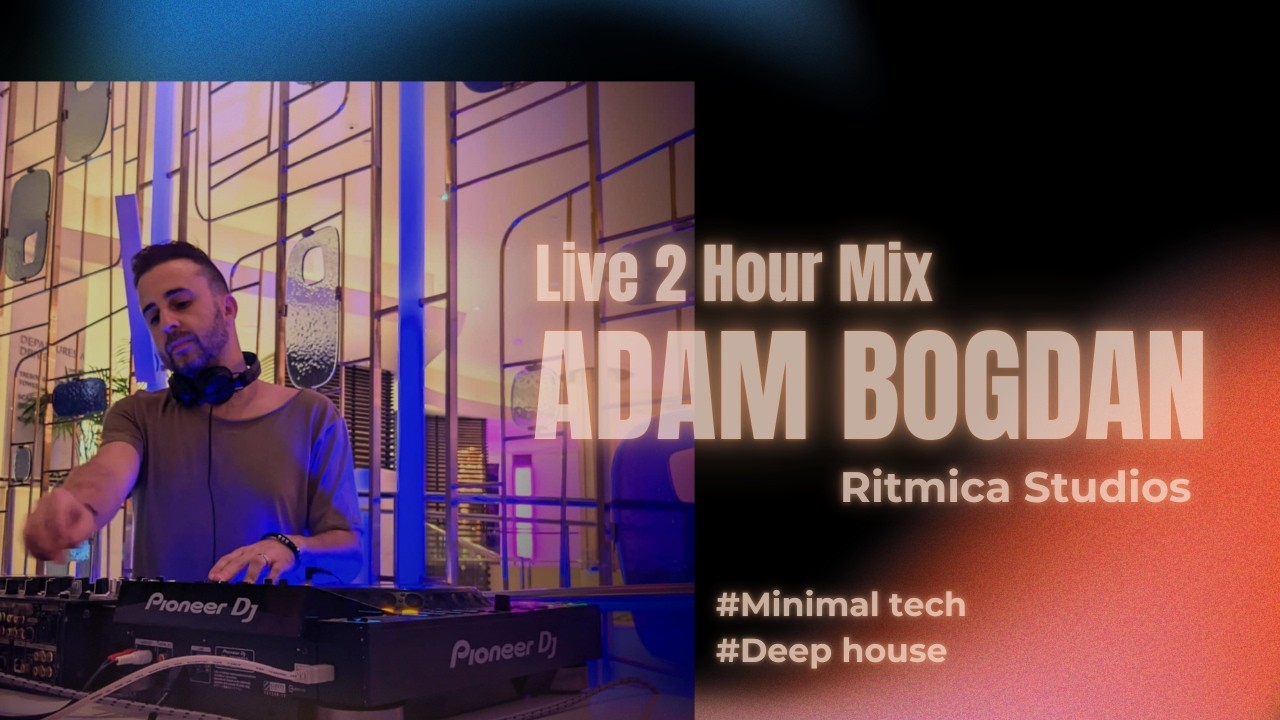
A long-form mix moving between minimal, rominimal, deep tech and underground house.
Watch on YouTube →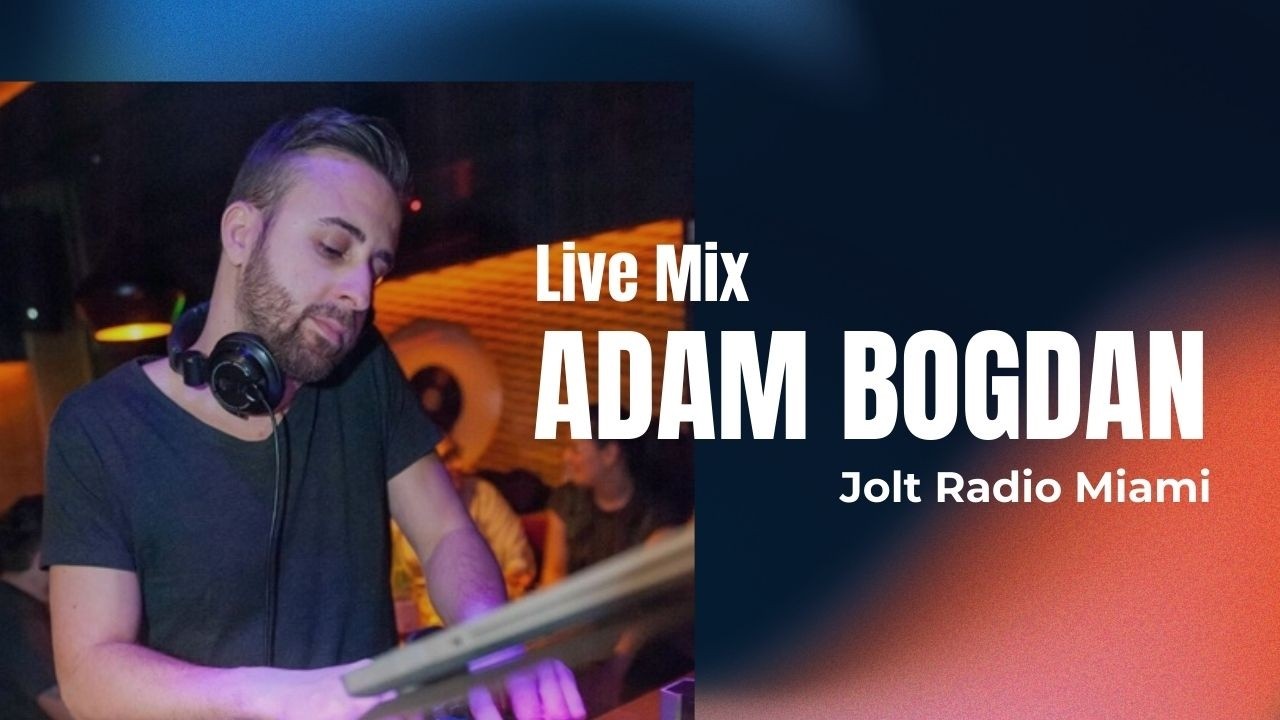
A groove-led session showing the shift from depth and space toward stronger club pressure.
Watch on YouTube →Browse the full Adam Bogdan mixes and live sets.
Common mistakes in minimal and deep-tech sets
Starting too hard
You remove the contrast that makes later pressure feel meaningful.
Mixing by genre tag
Two tracks in the same store category can have completely incompatible groove or low end.
Overloading the mix
Minimal records often work because of space. Layering everything at once can erase the detail.
Ignoring the room
A theoretically perfect set that does not respond to the dancefloor is still the wrong set.